
A seismic shift is underway in the fiercely competitive world of samsung automotive chips. In a historic displacement, Samsung Electronics has unseated its rival Micron Technology to become the number one supplier in the global automotive memory market. According to a bombshell report from S&P Global Mobility, Samsung captured a 40% market share last year, while Micron’s share slipped to 36%. This isn’t just a simple story of corporate competition; it’s a critical indicator of how the DNA of modern vehicles is being rewritten by software, data, and the high-performance chips required to manage them.
Table of Contents
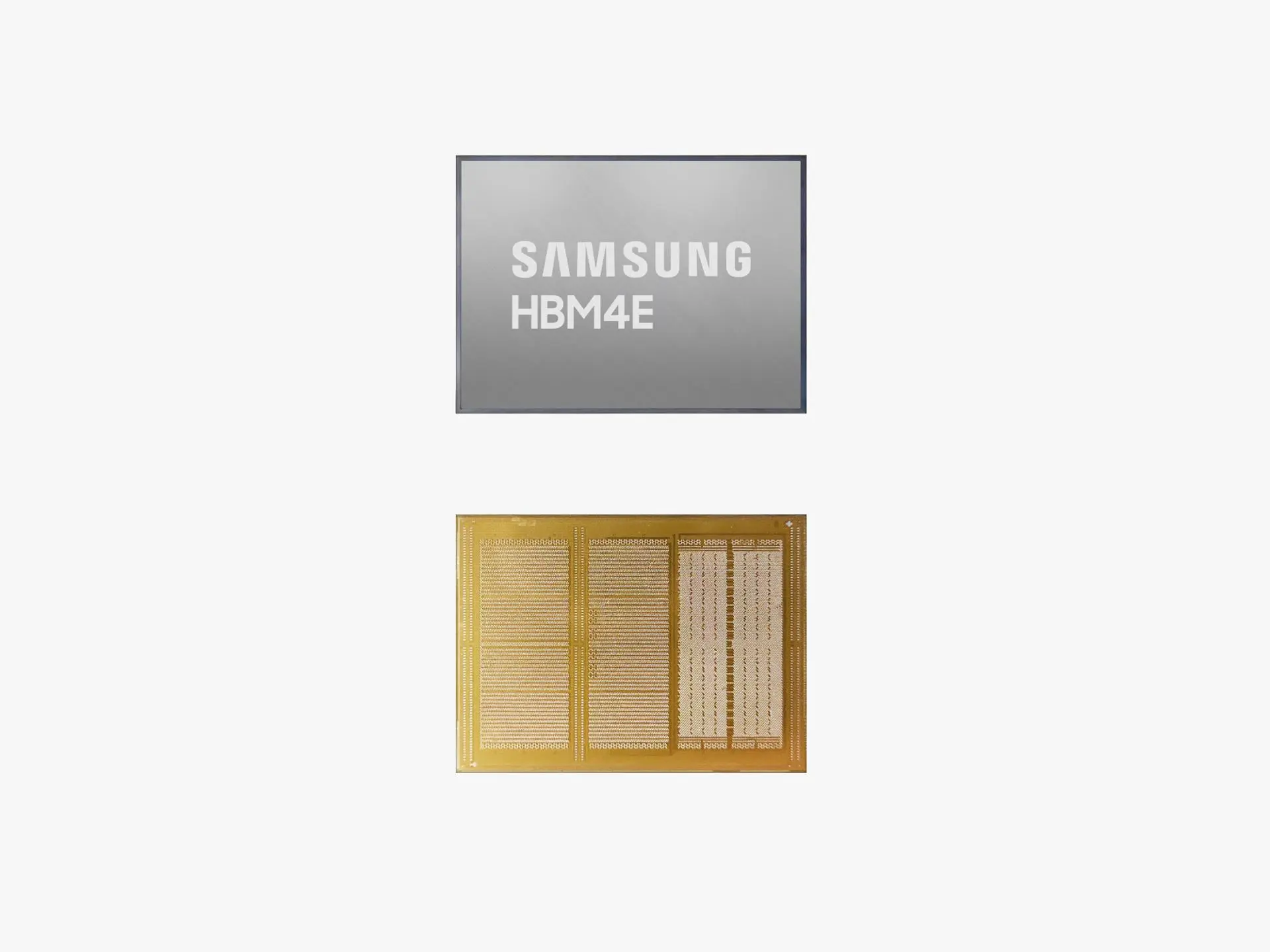
The underlying cause is the rapid evolution toward software-defined vehicles (SDVs). As cars transform into computers on wheels, the demand for high-capacity, high-performance the technology for autonomous driving, advanced driver-assistance systems (ADAS), and sophisticated in-vehicle infotainment (IVI) has exploded. Samsung’s aggressive focus on high-growth markets like China and its advanced LPDDR and UFS memory solutions have unmistakably paid off, allowing it to nearly double its market share in just a few years.
The New Kings of In-Car Data
To see the full picture, it’s essential to recognize that the global this innovation supply is highly concentrated. S&P Global Mobility analysis reveals that about 90% of automotive DRAM production is controlled by just three companies: Samsung, Micron, and SK Hynix. This concentration creates a precarious situation for automakers, who are now in direct competition with the voracious demand from the AI data center industry for the same high-bandwidth memory (HBM).
The barrier to competition in this sector is incredibly high. This isn’t about standard consumer-grade chips. Automotive-grade memory must meet stringent reliability and safety standards, such as AEC-Q100, and support functional safety frameworks like ISO 26262. These standards ensure that components can withstand extreme temperatures, vibrations, and long operational lifecycles while guaranteeing that safety-critical systems like braking and steering don’t fail due to a memory error. The transition to advanced nodes and new memory types like LPDDR5X and UFS 4.0 further complicates the landscape, demanding deep R&D investment and manufacturing expertise.
Related article: Semiconductor substrate: A Critical Deep-Dive Into Intel’s $3.3B Bet
This intense competition for the system is driving up costs and creating supply chain bottlenecks. Legacy memory types like DDR4, still widely used in many vehicle systems, have seen significant price hikes as memory makers prioritize capacity for newer, more profitable HBM and DDR5 products for the AI sector. This puts automakers in a tough spot, forcing them to either pay a premium or redesign systems for newer memory types, a costly and time-consuming process.
Unpacking the S&P Global Data
While the market share figures paint a clear picture of Samsung’s victory, the story is more nuanced. Samsung’s strategy of targeting the fast-growing Chinese EV market and supplying advanced memory for cutting-edge IVI and ADAS systems has been remarkably successful. The company reportedly achieved an average annual revenue growth of over 40% in the it market between 2020 and 2025. This success is built on its ability to leverage its massive scale from the consumer electronics world to produce high-performance LPDDR5 and UFS 3.1/4.0 chips.
It would be premature to count Micron out. The company has long been a dominant force in the industrial and automotive sectors, building a reputation for reliability and long-term supply stability—qualities highly valued by traditional automakers in Europe and North America. Micron has been a leader in developing memory that meets the highest levels of functional safety, being the first to offer JEDEC-compliant, ASIL D ISO 26262-certified memory products. This focus on safety-critical applications provides a powerful defense in a market segment where trust and proven performance are paramount.
The strategic divergence is clear: Samsung is winning the high-volume, high-performance race in the rapidly expanding SDV and EV segments, particularly in Asia. Micron, conversely, maintains a stronghold in the high-reliability, safety-critical systems that form the backbone of traditional automotive manufacturing. The long-term battle for the the platform market will be fought on these two fronts: raw performance versus certified safety.
The Functional Safety vs. Performance Dilemma
A core conflict exists at the heart of the modern the technology market. The relentless push for more performance, driven by AI-powered autonomous features and data-rich digital cockpits, is at odds with the absolute, non-negotiable requirement for functional safety. The development lifecycle for consumer electronics is measured in months; for automotive components, it can be seven to eight years, a timeline dictated by rigorous validation and safety certification processes. This mismatch creates a critical friction point.
This is where regulations like ISO 26262 become the central battleground. This international standard provides guidelines to minimize risks from electrical and electronic system malfunctions. Achieving higher Automotive Safety Integrity Levels (ASIL), such as ASIL D for critical systems like steering or braking, requires a development process that prioritizes hazard reduction above all else. A memory chip that is simply compliant is not enough; a fully certified component, like those offered by Micron, provides the lowest risk for system integrators.
The critical question for automakers is who bears the liability when a failure in the complex hardware and software stack occurs. As vehicles become more autonomous, the responsibility shifts, and the integrity of every component, especially this innovation, comes under intense scrutiny. This regulatory minefield is further complicated by the global supply chain, where a single vehicle may contain components from dozens of suppliers across multiple countries, all of whom must adhere to these exacting standards. The consolidation of the the system market into just a few hands raises the stakes considerably.
Related article: Nvidia pc chip Warning: A New Era or Just More Hype?
The Bottom Line on samsung automotive chips
Ultimately, Samsung’s rise to the top of the samsung automotive chips market is a legitimate and significant event, but it is not the end of the story. It reflects a broader industry pivot towards performance-hungry, software-defined vehicles, a domain where Samsung’s consumer tech agility gives it a key advantage. However, Micron’s deep entrenchment in safety-critical systems and its leadership in functional safety certification remain a formidable asset, especially with legacy automakers. The real threat isn’t the rivalry itself, but the intense concentration of a component that is now fundamental to vehicle operation, safety, and innovation.
Critical Signals to Watch:
- Keep an eye on: The speed at which next-generation memory like LPDDR6 and UFS 5.0 achieve automotive-grade certification and ASIL ratings.
- Observe: Any announcements from regulatory bodies like the NHTSA or the EU regarding liability for failures in autonomous driving systems, which will directly impact samsung automotive chips requirements.
- An important sign: Strategic partnerships between memory suppliers and AI chip designers like NVIDIA, as integration becomes more critical for performance.
- Analyze: Market share shifts not just globally, but specifically within the North American and European automotive markets, where safety standards are most stringent.
- Be alert to: Any major vehicle recalls that are traced back to the failure of memory components, as this could trigger a major industry-wide reassessment of suppliers.
This evolving landscape underscores a fundamental truth: samsung automotive chips is no longer a simple commodity. It is the central nervous system of the modern automobile, and control over its supply is now a matter of strategic importance for the entire industry.