
Just days ago, a major development rocked the tech industry, Intel and its partner, 3D Glass Solutions (3DGS), have committed to a massive $3.3 billion investment to build a new manufacturing plant in Odisha, India. Instead of producing the silicon dies, but rather the revolutionary foundation they will be built upon: the semiconductor substrate. This news, breaking in late May 2026, signals a desperate push by the American chip giant to secure a lead in the next generation of advanced packaging, a technology essential for powering the ever-growing demands of artificial intelligence and high-performance computing.
Table of Contents
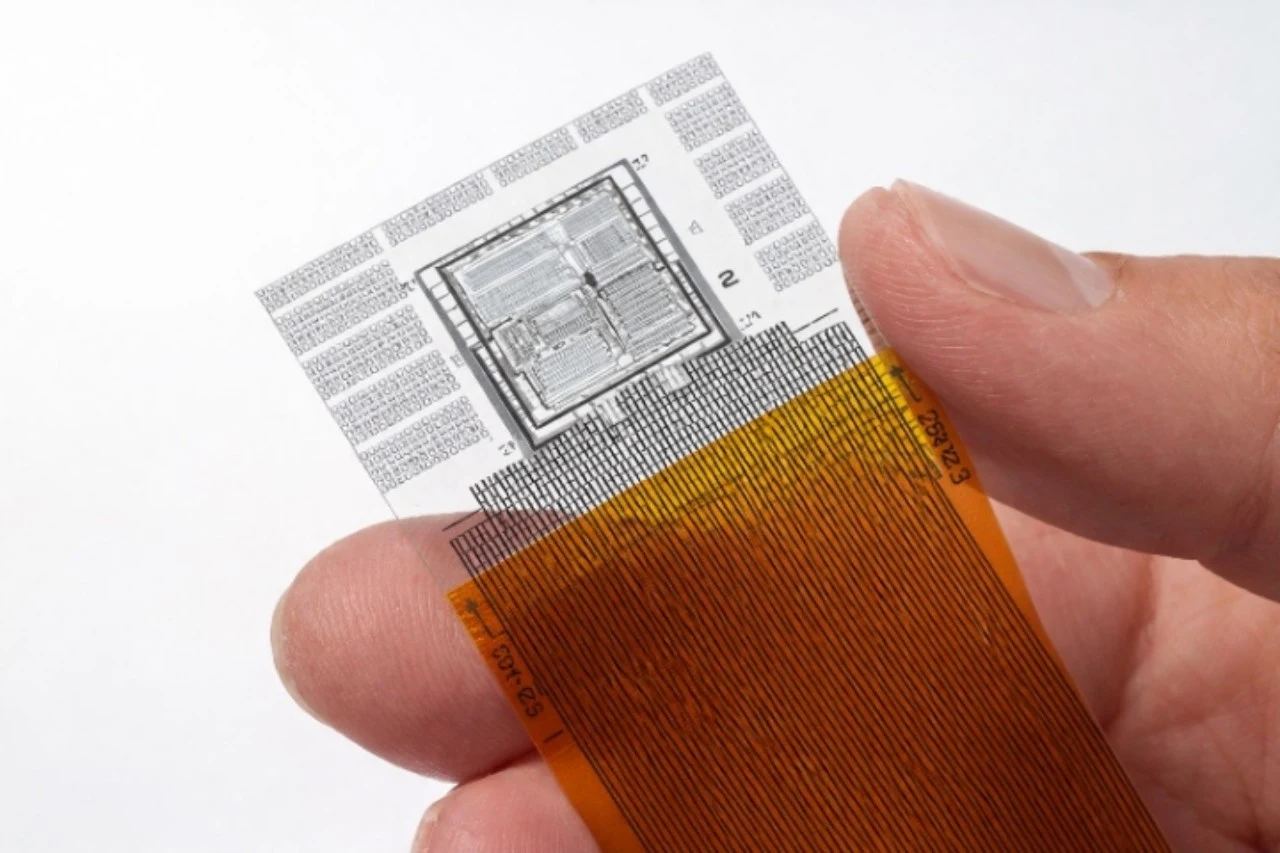
The implications of this deal extend well beyond a single facility; it is a high-stakes geopolitical gambit. Supported by significant government incentives, the project aims to shift a critical piece of the electronics supply chain away from its current concentration in East Asia. For years, the industry has relied on organic substrates, which are hitting a “warpage wall” as chips become larger and hotter. An the technology solves this by offering superior thermal and mechanical stability, a necessary requirement for the future of Moore’s Law.
Mapping the High-Stakes Battle for semiconductor substrate
The industry’s pivot to glass is not happening in a vacuum. The move to an this innovation is a direct response to the physical limitations of current organic materials, which warp under the extreme heat of modern AI accelerators. Glass offers a uniquely stable platform with a coefficient of thermal expansion (CTE) that closely matches silicon, preventing the failures that plague large, multi-chiplet packages. This allows for an interconnect density nearly ten times higher than what was previously possible.
However, Intel faces fierce competition. Samsung is aggressively developing its own glass substrate technology, with plans for mass production as early as the end of 2026, and is even reportedly considering using Intel’s technology to accelerate its own roadmap. Meanwhile, industry leader TSMC is taking a more cautious but deliberate approach, developing its own rectangular substrates and panel-level packaging solutions to compete. This global competition underscores the strategic importance of mastering the system technology; the company that can produce it at scale and with high yields will likely dominate the high-performance computing market for the next decade.
Related article: Apple atoken Reveals a Critical Shift in AI Models
Is the semiconductor substrate Timeline Realistic?
While Intel’s announcement paints a rosy picture, the path to high-volume manufacturing of it is littered with challenges. The five-to-six-year timeline for the Odisha plant to become fully operational is ambitious, especially given the technical hurdles that remain. Frontline practitioners remain sober and restrained, with some suggesting that widespread industrial application of glass substrates may not be feasible until 2030 or later.
The core problem lies in the manufacturing process. Glass is notoriously brittle, and handling massive panels without breakage requires entirely new cleanroom protocols and robotic systems. Furthermore, processes like creating through-glass vias (TGVs) and ensuring consistent copper electroplating are still being perfected. These challenges lead to concerns about initial production yields and costs, which are expected to be significantly higher than for traditional organic substrates. While Intel has a pilot line in Chandler, Arizona, scaling to the massive output promised by the Indian facility—reportedly 70,000 substrates annually—is a monumental task. The success of the the platform depends entirely on solving these fundamental engineering problems at an unprecedented scale.
semiconductor substrate: The Unseen Hurdles Ahead
A key contradiction shadows this entire project. The entire global push for glass substrates is a direct reaction to supply chain vulnerabilities and the limitations of existing materials, which have been exacerbated by the AI boom. This has prompted governments, including India’s, to offer substantial subsidies to attract investment, creating a complex web of dependencies and expectations. The $3.3 billion headline figure for the Odisha plant is just the beginning; the project’s success hinges on the consistent and timely disbursement of government support under the India Semiconductor Mission.
The core challenge is a technological paradox. The very properties that make an the technology so appealing—its rigidity and stability—also make it difficult and costly to process. While Intel projects a roadmap for commercialization between 2026 and 2030, competitors like SKC’s subsidiary Absolics are aiming for mass production even sooner, potentially capturing key customers like NVIDIA or AMD first. This creates a high-pressure race where a single process breakthrough or a major setback in yield could determine the winner. The five-to-six-year timeline for the India plant feels long in an industry where market leadership can shift in 18-24 months.
Read also: Meta mtia Poses a Critical Threat to GPU Dominance
The Bottom Line on semiconductor substrate
In summary, Intel’s $3.3 billion investment in an Indian semiconductor substrate plant is a bold, necessary, and incredibly risky move. It correctly identifies the technological shift required to move past the limitations of organic substrates and power the next generation of AI. However, the project is launching into a fiercely competitive landscape against rivals like Samsung and TSMC, and it faces significant manufacturing hurdles that make the official timeline appear optimistic. The success of this venture is anything but guaranteed and will depend heavily on execution and overcoming fundamental material science challenges.
Critical Signals to Watch:
- Monitor: Reports on initial pilot line yields from Intel’s R&D facilities in Arizona and any news from the Odisha site’s phased construction.
- Watch for: Announcements from Samsung Electro-Mechanics or SKC/Absolics regarding their own mass production milestones, as they aim for a 2026/2027 start.
- Key signal: The first major AI chip designer (e.g., NVIDIA, AMD, Apple) to publicly commit to using a specific company’s glass substrate technology at volume.
- Track: The consistency and speed of incentive payouts from the India Semiconductor Mission, as any delays could impact the project’s timeline.
- Analyze: Independent analysis of manufacturing costs and defect rates as the first glass-based products enter the market.
This is more than just a new component; it is a complete redesign of the platform on which future technological progress will be built. Whether Intel’s massive Indian bet pays off will determine its place in the AI-driven world for the next decade.