
With deadlines fast approaching, the European Union’s ambitious plan for cyber resilience act is transitioning from theory to reality, and the first signs of friction are emerging. News broke on May 28 that Finland’s government has proposed national legislation to implement the EU’s The technology (CRA), designating the Finnish Transport and Communications Agency (Traficom) as its lead market surveillance authority. This move makes Finland a crucial test case for a regulation designed to enforce cybersecurity standards on all software and smart devices sold in the EU.
Table of Contents
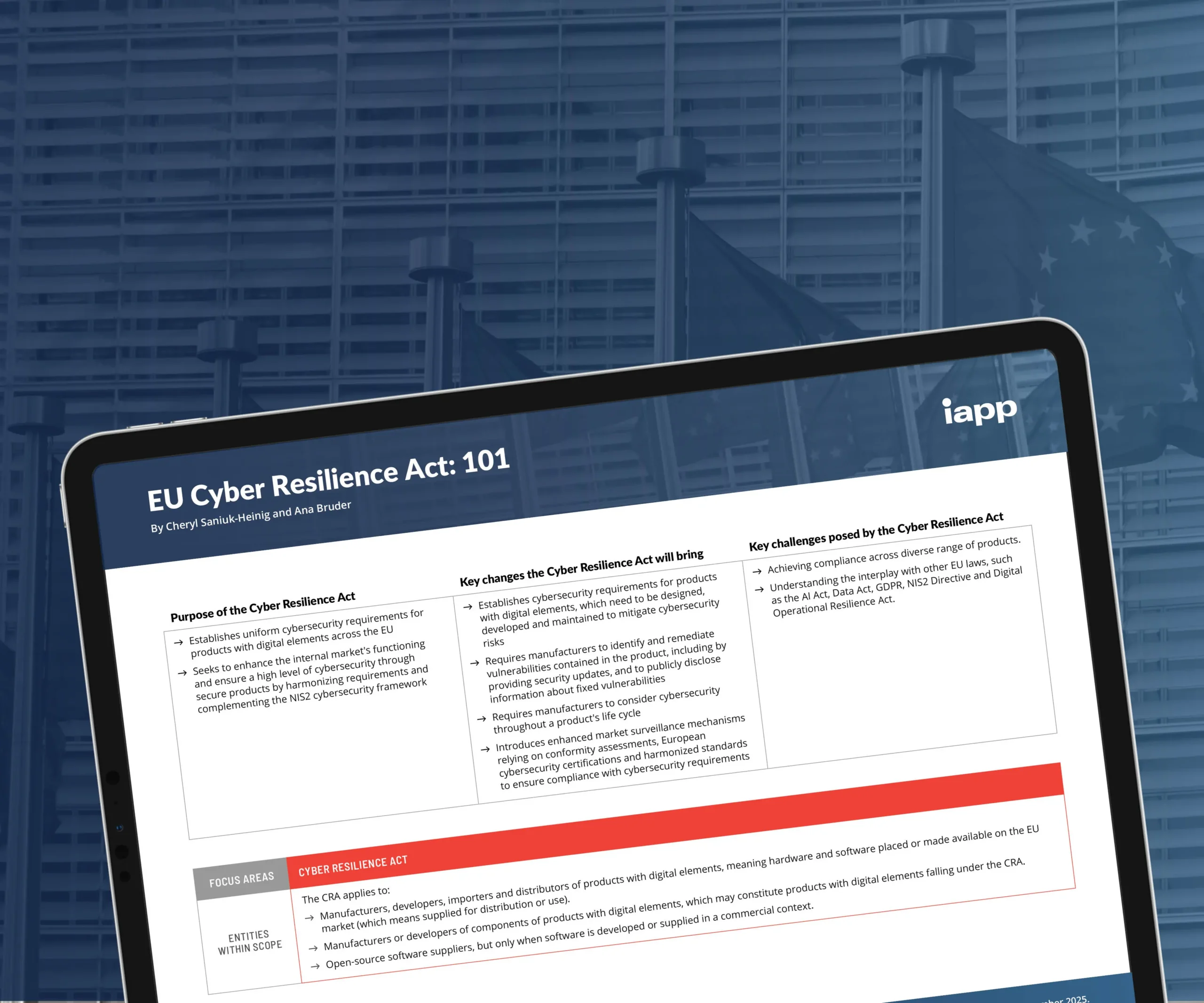
While on the surface this appears like a straightforward step toward a more secure digital market, it forces a critical question into the spotlight: can the CRA’s rigid, top-down compliance model function without causing significant damage to the open-source software ecosystem that underpins the digital economy? The first major compliance deadline for vulnerability reporting is September 11, 2026, putting immense pressure on manufacturers and, by extension, the open-source projects they depend on. The Finnish precedent is therefore not just a local matter; it’s a live-fire exercise for the entire concept of this innovation.
How the Cyber Resilience Act Actually Works
Fundamentally, the The system (CRA) aims to solve a long-standing market failure: the lack of financial incentive for manufacturers to produce secure-by-design products. The regulation mandates that any “product with digital elements”—from smart refrigerators to industrial control systems—must meet baseline cybersecurity requirements throughout its lifecycle. This new rule replaces a patchwork of national laws, creating a single standard for the EU market.
Compliance is ensured through several key actors. Manufacturers are primarily responsible for conducting risk assessments, ensuring products have no known exploitable vulnerabilities upon release, and providing timely security updates. National market surveillance authorities, like Finland’s newly appointed Traficom, are tasked with policing the market, with the power to issue fines up to €15 million or 2.5% of global turnover for non-compliance. At the EU level, the European Union Agency for Cybersecurity (ENISA) acts as a central hub, receiving mandatory 24-hour notifications of actively exploited vulnerabilities from manufacturers. This entire structure is designed to elevate it from a feature into a legal necessity.
Related article: Semiconductor device research: A Critical Warning for 2026
A key component of the CRA is its product classification system. While around 90% of products can be self-assessed by the manufacturer, a smaller subset of “important” and “critical” products will require third-party audits. This classification method is intended to focus scrutiny where it’s needed most, but it also creates significant compliance overhead for products deemed critical, a category that includes password managers and network hardware. The goal is to build a robust framework for the platform, but its complexity is already proving a challenge.
The Open Source Controversy Explained
While its goals are commendable, the CRA has been a source of intense debate within the open-source community since its proposal. The central conflict stems from liability. The regulation places legal and financial responsibility on the “manufacturer” who places a product on the EU market. The problem arises because virtually all commercial software is built on a foundation of free and open-source software (FOSS) components.
Skeptics have consistently pointed out that this could create a chilling effect on open-source development. If a commercial product from Company X is found to have a vulnerability originating from a FOSS library maintained by a volunteer developer, the CRA holds Company X liable. In response, that company will inevitably push security and documentation demands “upstream” to the FOSS project. While changes were made to protect individual, non-commercial developers, the line between a non-commercial project and a “commercial activity” remains dangerously ambiguous.
For instance, the law introduces the concept of an “open-source steward”—a legal person, like a foundation, that supports a FOSS project. These stewards are subject to reporting obligations, though they are exempt from fines. However, this protection doesn’t extend to developers who may receive income that could be construed as commercializing their work, or to small businesses that redistribute open-source software. The Open Source Security Foundation (OpenSSF) has launched numerous initiatives and guides to help developers navigate this, but a May 2026 blog post described the situation as an “urgent wake-up call,” suggesting the ecosystem is far from ready. The core of the technology is at odds with the collaborative, decentralized nature of FOSS.
Analyzing Finland’s National Strategy
Finland’s decision to move forward provides the first concrete example of how the CRA’s theoretical framework will be implemented at a national level. By designating Traficom as the central authority, Finland is centralizing enforcement, a model other EU member states are likely to watch closely. Traficom’s mandate will include not just market surveillance but also the designation and supervision of “notified bodies”—the independent auditors who will assess critical products.
You might also like: Advanced semiconductor materials: A Critical Warning for the Chip Industry in 2026
This situation illuminates the immense operational challenges ahead. The first reporting obligations for actively exploited vulnerabilities begin in September 2026, just a few months away. This requires manufacturers to have robust vulnerability detection and reporting pipelines in place, all feeding into ENISA’s central platform. It is a significant fear that both companies and the nascent national authorities are unprepared for the scale of this task. A recent report from the OpenSSF titled “Unaware and Uncertain” reveals stark gaps in CRA readiness across the open-source world.
Furthermore, the effectiveness of the entire system hinges on the availability of harmonized standards and qualified auditors, which are still in development. The official Cyber Resilience Act text sets the final compliance deadline for December 2027, but the interim deadlines are what create the immediate pressure. Finland’s proactive stance is commendable, but it also means it will be the first to encounter the practical roadblocks in the path of full this innovation implementation, especially concerning the complex software supply chain.
The Bottom Line on cyber resilience act
The final analysis shows, the EU’s push for the system is a necessary, if deeply flawed, response to a digital ecosystem riddled with insecure products. Finland’s implementation marks a pivotal moment, shifting the It from a policy document into a market reality with fast-approaching deadlines. The regulation’s core tension remains unresolved: its top-down, liability-focused model is fundamentally at odds with the bottom-up, collaborative nature of the open-source software that powers nearly every digital product it governs. While a carve-out for non-commercial FOSS exists, the ambiguity around what constitutes “commercial activity” leaves a vast and critical part of the software supply chain in a precarious legal position.
Critical Signals to Watch:
- Keep an eye on: The first wave of vulnerability reports to ENISA after the September 2026 deadline. The volume and quality of these reports will be a key indicator of industry readiness.
- An important sign: How Traficom and other national authorities handle the first non-compliance cases. Their enforcement posture will set the tone for the entire EU.
- Observe: The behavior of major commercial software distributors. Whether they choose to collaborate with and fund upstream FOSS projects for security compliance or simply drop dependencies will be telling.
- Track: The development and adoption of harmonized standards for the CRA. Without clear, practical standards, compliance will remain a chaotic and costly endeavor for manufacturers.
- Watch for: Further guidance from the European Commission on the definition of “commercial activity” as it applies to open-source developers.
The period leading to the end of 2027 is absolutely critical for the future of both software development and cyber resilience act in Europe. The decisions made now will determine whether the CRA achieves its goal of a safer digital market or inadvertently cripples the open-source engine of innovation it relies on.