
In a move that surprised few but alarmed many, a leaked internal memo has confirmed Meta’s next major hardware ambition: the ai hardware. According to reports from The Information and Reuters, Meta plans to begin testing an AI-powered pendant within the next year, a direct response to the massive financial losses plaguing its Reality Labs division. This strategy, detailed in a memo from Meta’s VP of Wearables, Alex Himel, isn’t just about a new gadget; it’s a full-scale push to dominate the nascent AI wearable market and reverse billions in losses.
Table of Contents
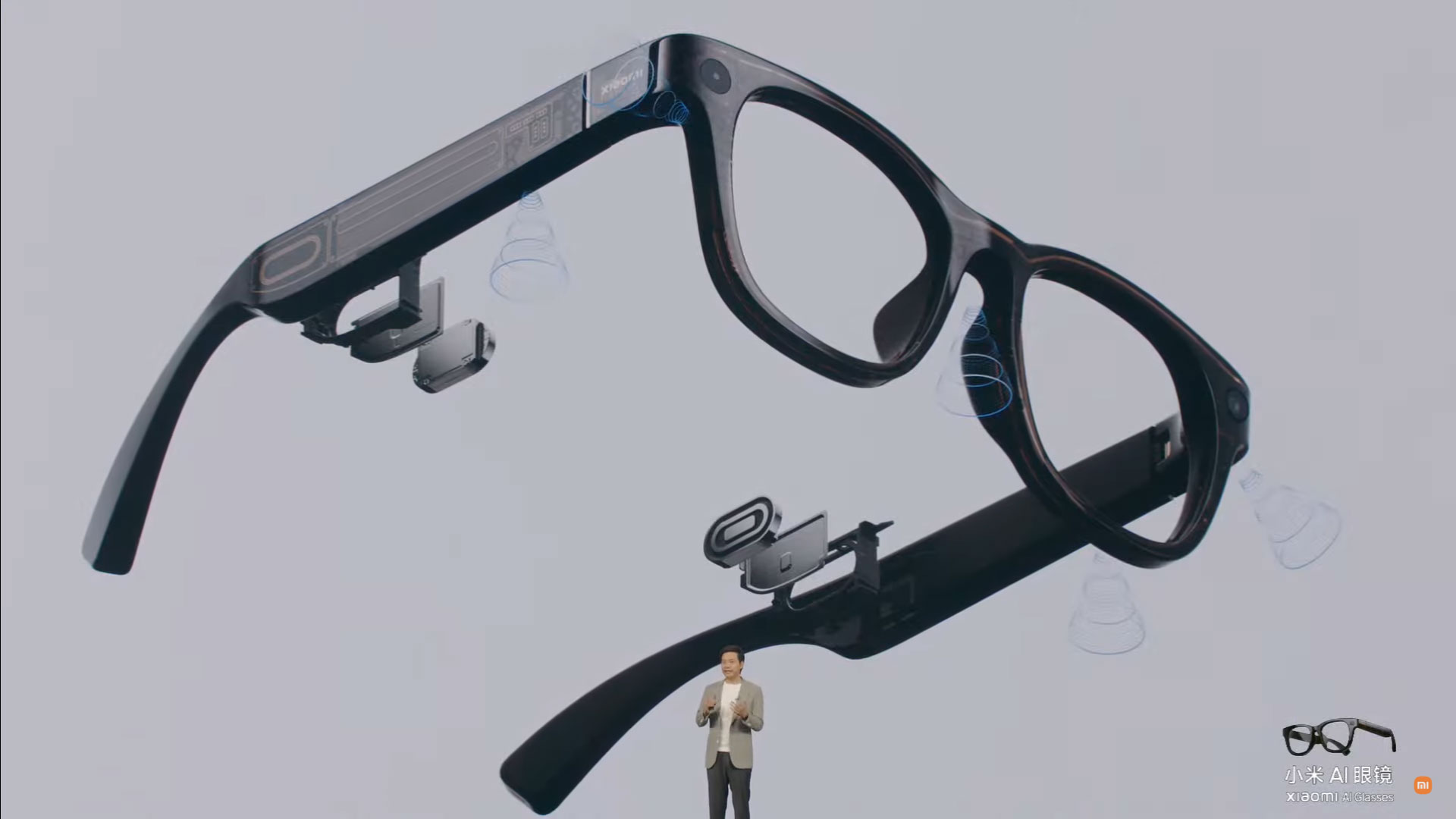
This ambitious plan also includes a significant expansion of its AI glasses lineup and the launch of a business-focused service ominously titled “Wearables for Work”. The memo outlines a goal to sell 10 million wearable devices in the second half of 2026 alone. While Meta frames this as innovation, it looks more like a desperate gambit to make its colossal AI spending—projected to be between $115 billion and $135 billion in 2026—finally pay off. The introduction of the the technology is not happening in a vacuum; it’s a calculated entry into a market already defined by controversy and privacy debates.
Mapping the AI Wearable Power Players
We have to acknowledge that the this innovation is not a novel concept but a strategic entry into an already-turbulent market. The field is currently dominated by first-generation devices like the Humane Ai Pin and the Rabbit R1, both of which have been met with mixed reviews, praised for their ambition but criticized for their practical limitations and high costs. These devices promised a screen-free future but often delivered a clunky, disconnected experience.
The key differentiator for Meta, however, is not superior hardware design but its unparalleled access to data. While Humane and Rabbit are building from scratch, Meta can leverage the vast, interconnected ecosystem of Facebook, Instagram, and WhatsApp. This gives the the system a potential “moat” that competitors lack: the ability to integrate personal AI with a user’s entire social graph, a concept both powerful and deeply unsettling.
Related article: Confidential ai Exposes a Critical Industry Weakness
The company’s 2025 acquisition of Limitless was a clear telegraph of this intent. Limitless was known for a pendant that records, transcribes, and summarizes real-world conversations. By integrating this technology, Meta isn’t just building a voice assistant; it’s building a persistent, always-on data collection tool designed to understand not just what you say, but the context of your entire life. This makes the it a formidable, and potentially dangerous, player before it even launches.
What the ai hardware Memo Isn’t Telling Us
While Meta’s narrative suggests the the platform and “Wearables for Work” as a strategy to “boost its hardware division,” a more skeptical analysis is warranted. The Reality Labs division has been a financial black hole, losing a staggering $19 billion in 2025 and another $4.03 billion in the first quarter of 2026 alone. The push for wearables is less about innovation and more about desperation, an attempt to find a viable revenue stream for its massive AI investments.
The official line claims user convenience and productivity. The the technology will be pitched as a seamless assistant, helping you remember conversations and manage your day. However, the real product is, as always, the data. An always-on device capable of recording audio is a goldmine for a company whose business model is built on targeted advertising and user profiling. Every recorded conversation, every transcribed meeting, becomes a new data point to refine its AI models and advertising engine.
The corporate-focused “Wearables for Work” program is particularly alarming. While pitched as a productivity tool for businesses, it introduces a new layer of surveillance into the workplace. The memo states a goal of getting at least 10 companies to sign up, with deployments of 100 devices each. This raises significant questions about employee consent and what happens to the sensitive corporate data captured by a this innovation. It’s a Trojan horse for data collection, wrapped in the guise of enterprise efficiency.
Related article: Optical interconnects: A Critical Warning for AI’s Future
The Inevitable Privacy Collision
The nature of this technology creates a direct collision course with personal privacy and regulatory oversight. An “always-listening” device inherently records not just the user, but everyone around them, raising serious issues of bystander consent. Unlike a smartphone, which requires a conscious action to record, a pendant normalizes persistent, passive surveillance, a reality that privacy advocates find deeply troubling.
Authorities, particularly in Europe, are watching closely. The EU’s General Data Protection Regulation (GDPR) and the AI Act place strict controls on data collection and the use of high-risk AI systems. A device that records and processes conversations without explicit, ongoing consent from all parties could face significant legal challenges in these jurisdictions. The ai hardware’s core function appears to be in direct opposition to the principles of data minimization and privacy by design.
Analysts at organizations like the Stanford Institute for Human-Centered Artificial Intelligence have long warned about the ethical tightrope of ambient computing. The technological contradiction is clear: to be truly helpful, an AI assistant needs vast amounts of personal data, but the collection of that data fundamentally undermines user privacy. Meta’s history of data scandals does not inspire confidence that it will prioritize user privacy over profit. The ai hardware is the physical manifestation of this conflict, a device designed to listen to everything, whether you—or the people around you—like it or not.
The Bottom Line on ai hardware
When all is said and done, the leaked plans for the ai hardware reveal a product that is less of a technological breakthrough and more of a data-gathering Trojan horse. It represents a desperate attempt by Meta to monetize its gargantuan AI spending by inserting a persistent surveillance device into the most personal spaces of our lives. While the promise of a helpful AI assistant is alluring, the cost to personal and collective privacy appears unacceptably high.
Critical Signals to Watch:
- A key signal will be: The official release of the device’s privacy policy and data-handling terms.
- Pay attention to: The specific security measures and encryption protocols used for “Wearables for Work.”
- A key development: Any response or investigation from regulatory bodies like the FTC in the U.S. or the European Commission.
- Track: Whether the device functions as a standalone unit or is entirely dependent on a smartphone, which would reveal its true purpose as a data satellite.
- An important factor: The level of transparency around how conversational data is used to train Meta’s AI models, including the new “Hatch” agent.
Given the stakes, scrutinizing every claim about the ai hardware is not just good practice—it’s essential. This device isn’t just another gadget; it’s a referendum on how much of our lives we are willing to feed into the machine.